A Dying Light Quest
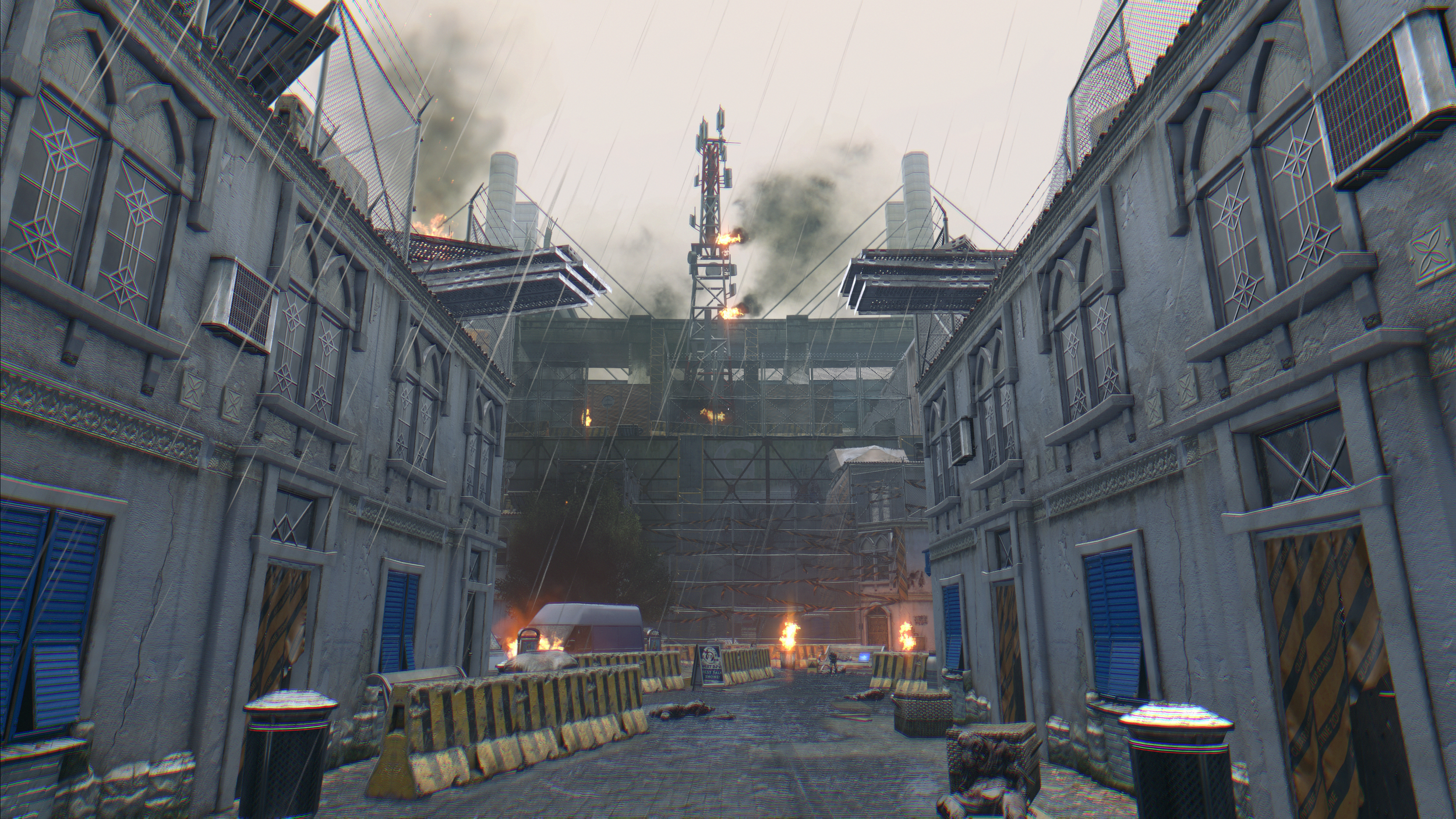
Cursed City is a single-player Dying Light level that the player needs travels to the abandonded city after a plague outbreak to search and investigate the lost data left behind by the scientists . Players can use mechanics such as theft, parkour, lockpicking to approach the quest in different styles. The level was designed and developed solo over the course of approximately 3 month.
Cursed City
Playthrough Video
Design Goals
Parkour-Driven Level Flow
The layout emphasizes fluid movement, using jumps, climbs, vaults, and slides to showcase the parkour system. Vertical shifts and chained movement routes keep the player in motion and reinforce the level’s fast traversal identity.
Strong Environmental Guidance
Lighting, color accents, sightlines, and spatial composition ensure the player always knows where to go next, even during high-speed traversal. Key objectives and parkour nodes are integrated into the environment to keep navigation intuitive and readable.
Fast-Paced Combat
Encounters are designed to be quick and intense, with enemy placement, arena size, and terrain layout encouraging aggressive close-quarters combat. Movement remains essential, pushing the player to fight dynamically rather than hold fixed positions.
Dual Experience: Exploration and Chase
The journey outward encourages free exploration with optional rooms, side paths, and resource rewards, while the return trip transforms the same space into a linear, high-pressure chase sequence. This contrast creates two distinct emotional beats in a single level.
Goal
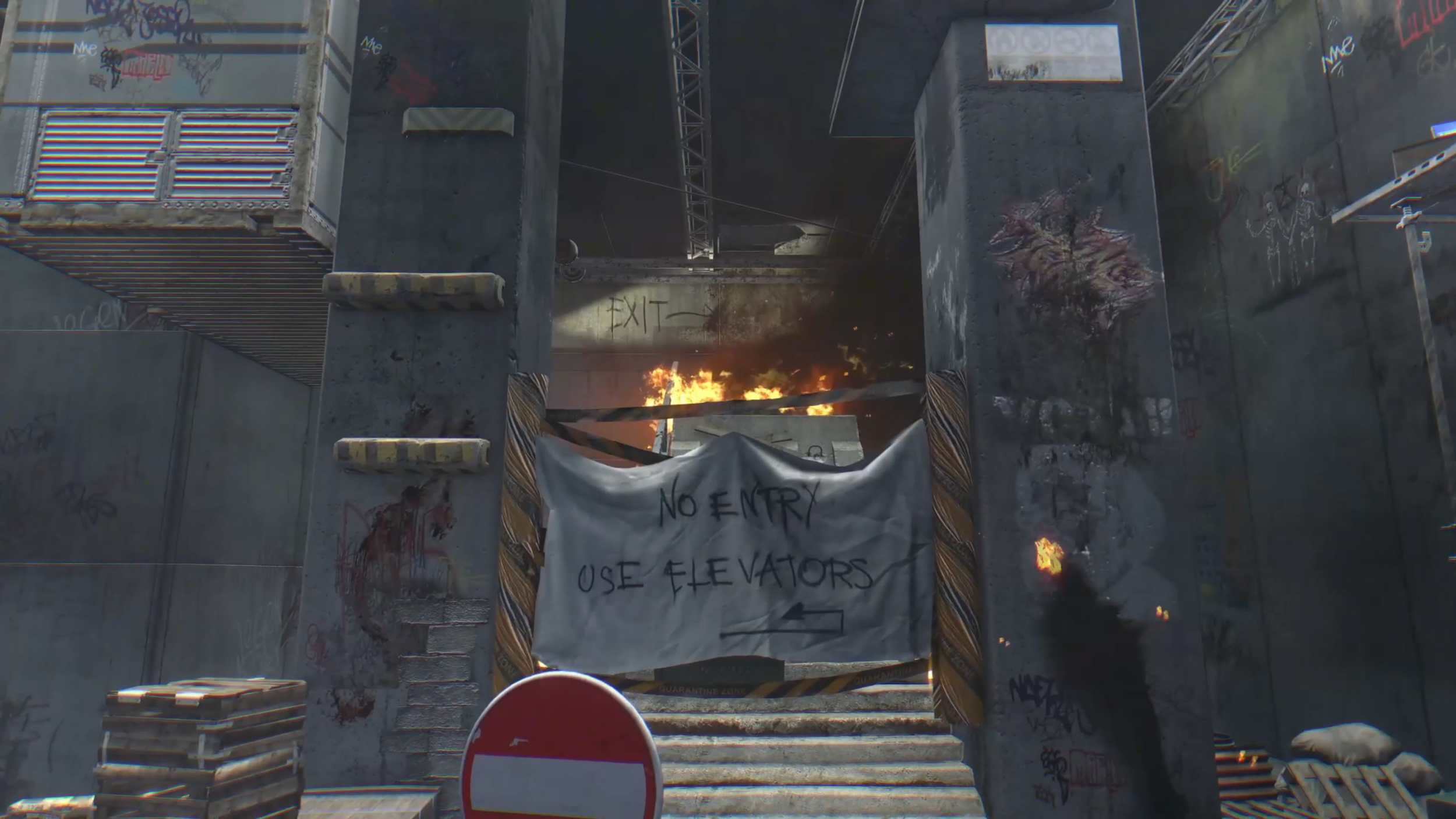
Strong Guidance Through Visual & Spatial Cues
• Lighting, color contrast, props, and natural sightlines are used to direct players toward their next objective without breaking immersion.
• Key traversal paths and interactable elements are framed clearly, ensuring that navigation remains readable even during high-speed movement or pressure moments.
Dual Experience: Exploration Outbound & Chase on Return
• The outward journey promotes free exploration, offering optional rooms, branching routes, and discoverable rewards that deepen engagement with the space.
• The return path transforms the same environment into a linear, high-pressure chase sequence, using enemy triggers and narrowed routes to create urgency and contrast in pacing.
Parkour-Focused Level Flow
• The level is structured around continuous movement, using climbs, vaults, wall runs, and height shifts to highlight Dying Light’s signature traversal system.
• Routes are intentionally layered vertically to maintain momentum and allow players to chain parkour actions smoothly across the environment.
Fast-Paced Combat Encounters
• Enemy placement and encounter spaces are built for short, high-intensity clashes that reward mobility and quick decision-making.
• Combat areas encourage the player to weave parkour into fighting, turning movement into both offense and defense.
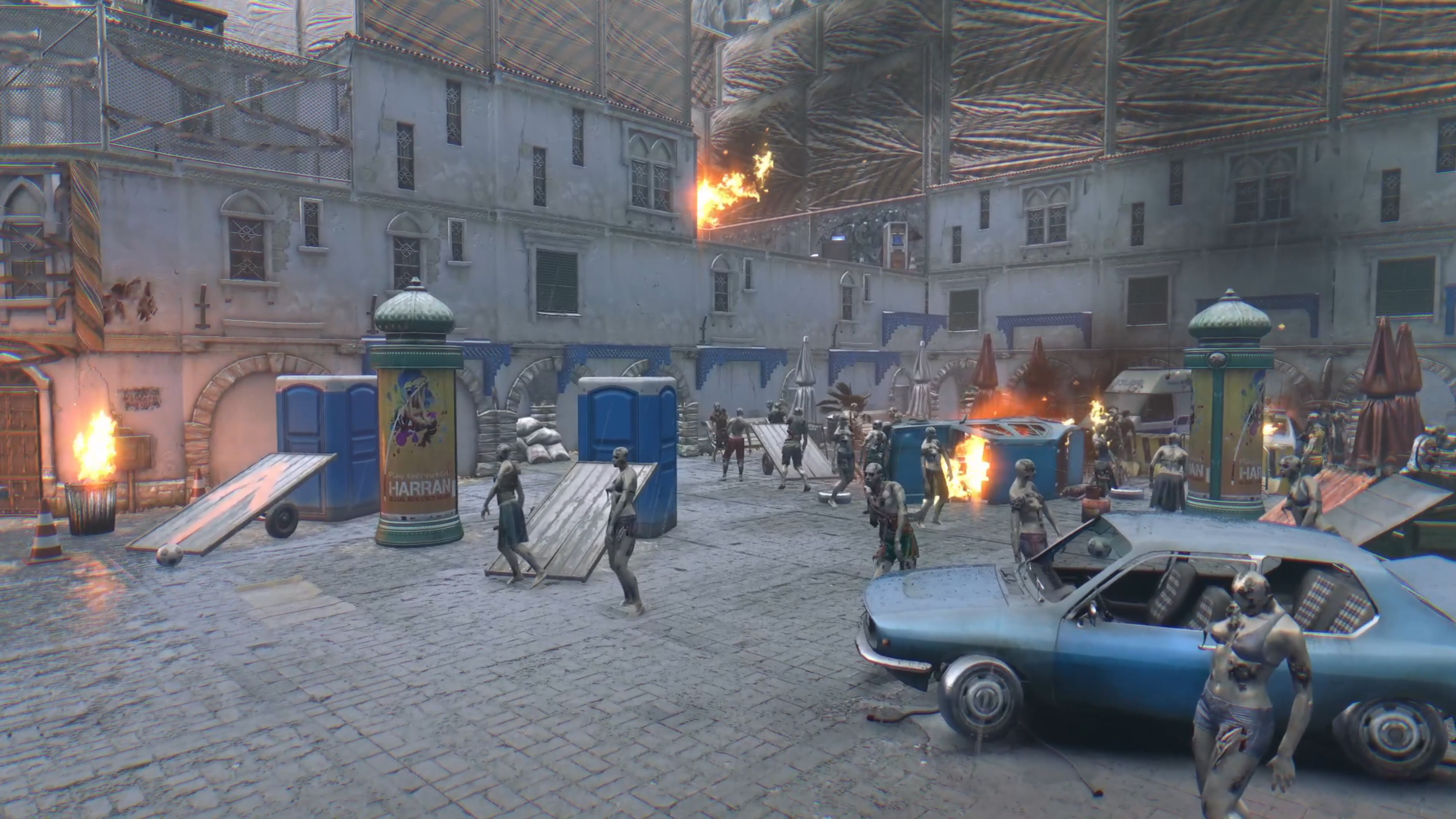
Design
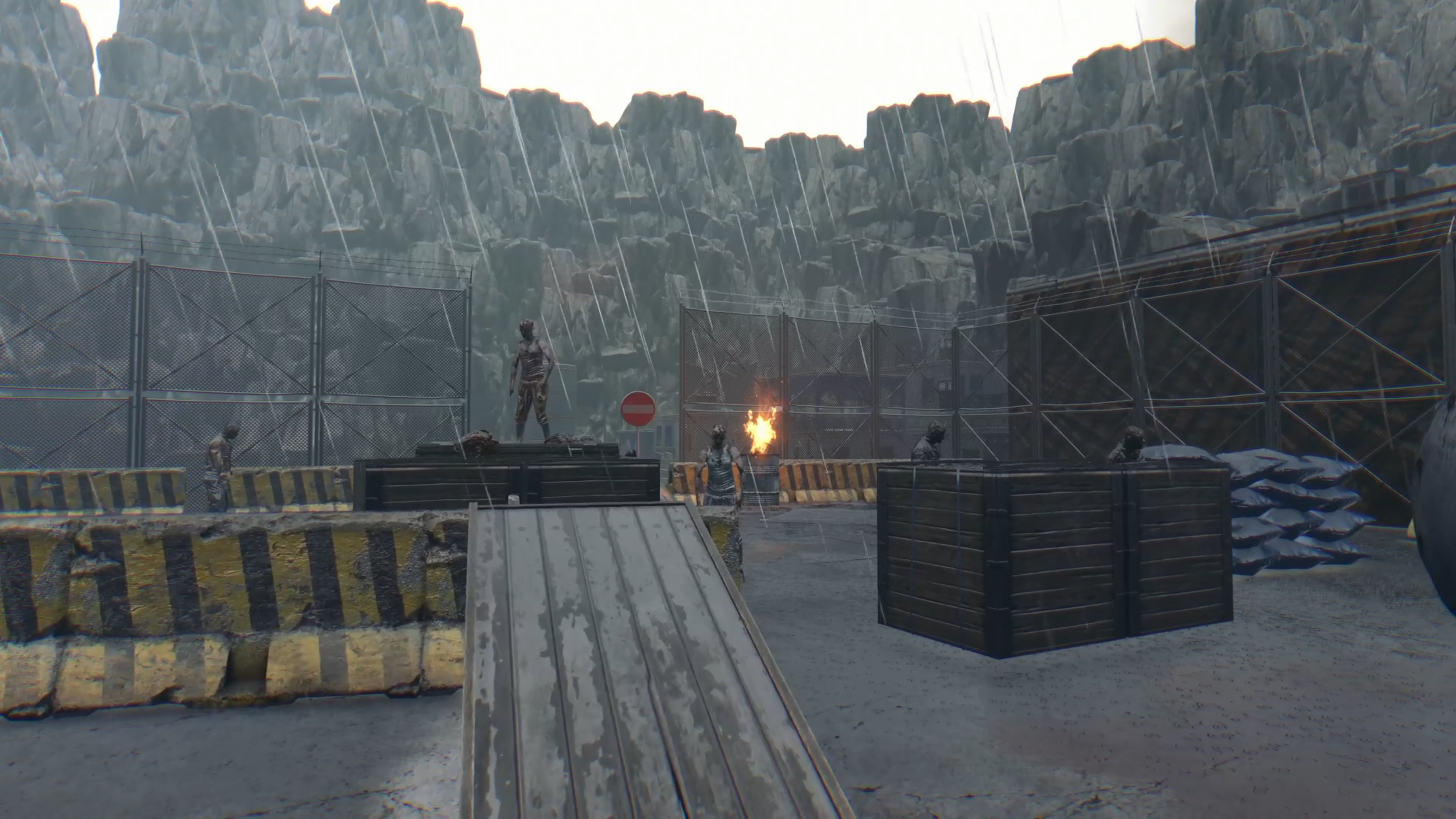
Clear Visual Guidance & Player Conveyance in High-Speed Play
• Path Framing Through Environment
Strong contrasts in lighting, fire sources, and vertical silhouettes guide the player’s direction, especially during high-speed chase segments. Landmarks like tall structures, bright openings, and unique props anchor navigation even under pressure.
• Dynamic Sightline Cues
Enemy movement and scripted infected behaviors are used as soft indicators to signal the next objective. A fleeing infected or a horde reacting toward a specific direction subtly funnels the player forward without overt UI guidance.
• Visual-Driven Objective Clarity
○ A glowing UV lamp or safe-house light serves as a distant visual anchor during the escape sequence, pulling the player toward the intended path.
○ Distinctive prop trails (e.g., knocked-over furniture, broken fences) create a readable motion line, ensuring that players can follow the escape route at full sprint without confusion.
Balanced Parkour Freedom with Focused Encounter Design
• Multiple Traversal Routes, No Missed Progression
The level supports varied parkour paths including rooftops, ledges, climbable debris, and interior shortcuts. These options allow freedom in traversal while ensuring that all critical beats and encounter triggers remain consistent across routes.
➤ Final layout preserves mobility variety without creating sequence breaks or unintended shortcuts.
• Example: Village Entry Encounter
Players can approach the village through a high-ground rooftop chain, a direct street path, or a side-alley climb. All routes converge into the same combat arena, keeping pacing unified while giving players agency in how they enter the space.
• Subtle Parkour Guidance
Indirect environmental cues such as damaged roofs, partially collapsed walls, and aligned props hint at intended traversal options without relying on explicit markers.
Environmental framing naturally highlights climbable silhouettes, encouraging intuitive flow through the level.
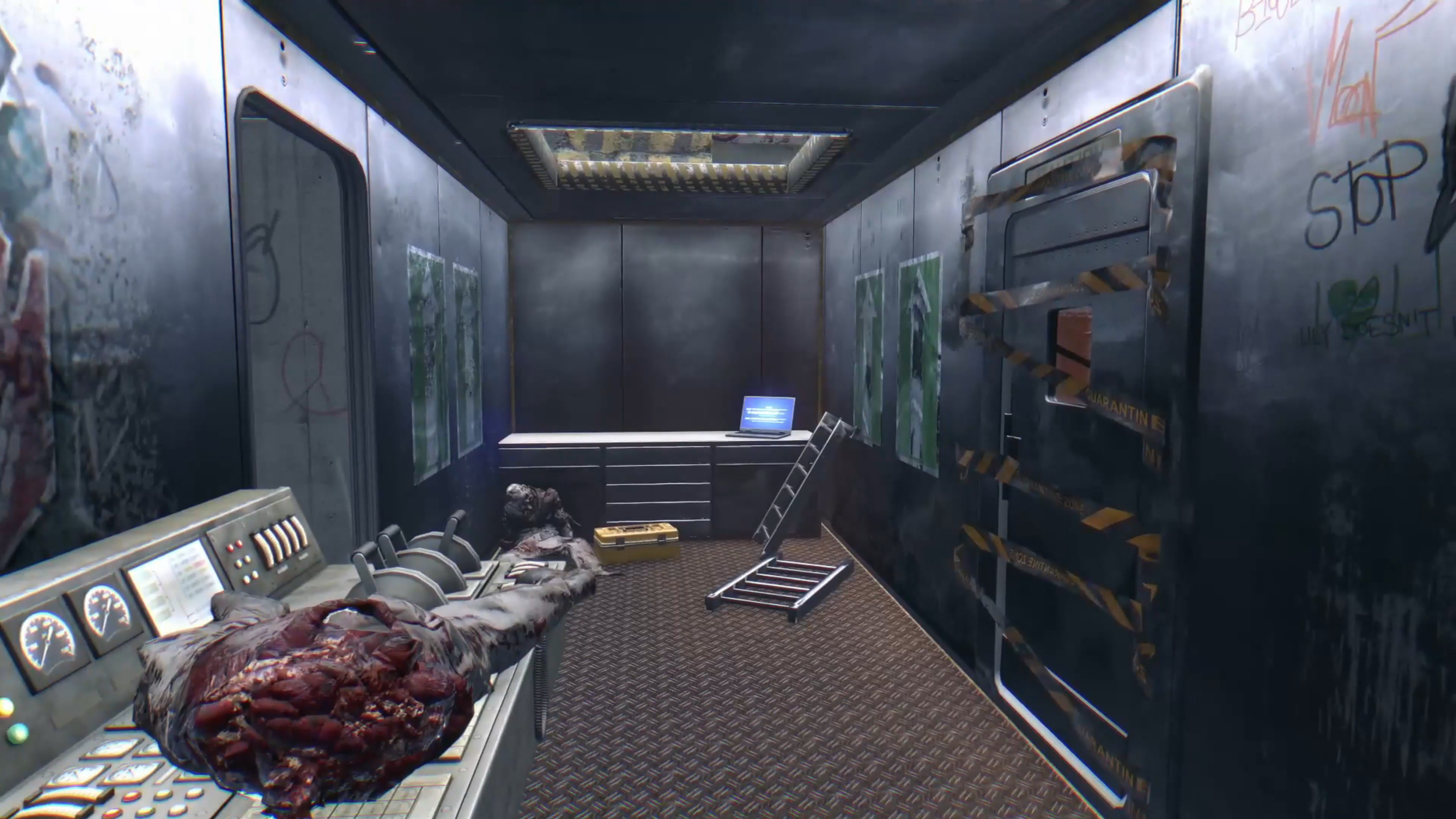
WHAT WENT WELL?
Strong Environmental Art & Atmosphere
• Delivered a visually cohesive and polished environment that supports the tone of the village setting.
• Used props, lighting, and terrain variation to reinforce immersion and strengthen the emotional impact of both exploration and chase segments.
• Achieved a readable and memorable visual identity across all major areas.
Well-Scoped Level Structure
• Defined a realistic workload and executed the level within a manageable scope, avoiding overextension.
• Ensured each major beat—exploration, combat, and chase—fit cleanly within the project timeline and engine limitations.
• Final scope allowed for refinement rather than rushed implementation.
Dual Experience: Exploration Outbound & High-Pressure Return
• Successfully designed two contrasting player experiences within the same physical space.
• The outbound path emphasizes discovery, optional routes, and slower pacing, while the return path transforms into a high-intensity escape.
• This contrast created strong emotional pacing and reinforced the level’s narrative arc.
WHAT WENT WRONG?
WHAT WENT WRONG?
Insufficient Player Guidance in Early Iterations
• Initial versions lacked strong visual and spatial conveyance, resulting in player confusion during playtests.
• Poor sightlines and unclear traversal routes caused players to break flow during key segments.
• Required multiple redesigns to achieve intuitive movement without explicit UI markers.
Unstable Playthrough Flow
• Early pacing suffered due to unclear objectives, inconsistent encounter timing, and rough transitions between traversal and combat.
• Achieving a smooth, high-speed experience proved difficult, leading to repeated iteration on layout and enemy placement.
• The chase flow in particular needed substantial rework to maintain player tension without frustration.
Limited Engine Proficiency & Technical Issues
• Inexperienced use of the Dying Light tools resulted in workflow inefficiencies and avoidable iteration loops.
• Encountered severe engine bugs that blocked progress, required workarounds, or forced layout adjustments.
• Time was lost debugging rather than polishing the intended experience.
WHAT I LEARNED?
Designing High-Verticality Gameplay
• Gained practical experience creating layered traversal with climbs, drops, rooftops, ramps, and interconnected elevation changes.
• Learned how vertical structure influences combat, visibility, and pacing in fast-moving encounters.
Building Fast-Paced Combat Scenarios
• Developed a better understanding of enemy placement, arena shape, and collision use to support aggressive, high-mobility combat.
• Learned to blend parkour and melee gameplay into a unified encounter rhythm.
Guiding Players Without Map or Objective Markers
• Mastered environmental conveyance techniques such as lighting contrast, prop alignment, and natural funneling.
• Learned how to direct the player intuitively through motion, silhouette, sound cues, and pacing—without relying on UI guidance.
• Built confidence in designing levels that remain readable even when players move at high speed.